
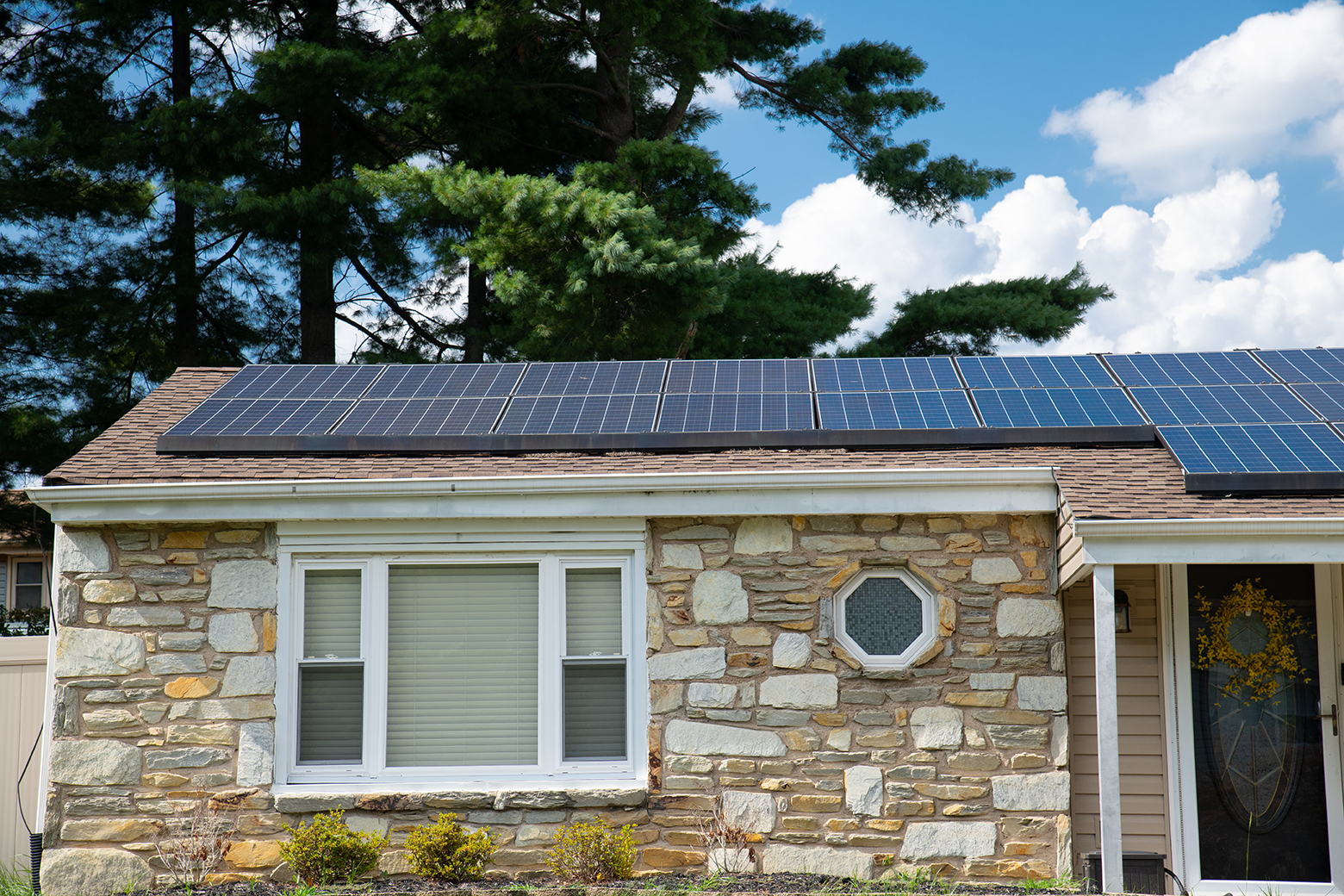
Explore the benefits and drawbacks of home solar panels. Discover how they can save energy, cut costs, and contribute to sustainability while considering potential challenges.
Solar Panels for Home: Harnessing the Sun’s Energy
Understanding Solar Energy
The Basics of Solar Energy
Solar energy is a renewable and sustainable form of energy harnessed from the sun. It’s captured through various technologies, one of the most common being solar panels. But how does it work? Simply put, solar panels capture sunlight and convert it into electricity. Let’s start with the basics: solar energy. It’s just a fancy term for the energy we get from the sun. Do you know how you can feel the sun’s heat when you’re outside? That’s a form of solar energy! Scientists found a way to take that heat and light and turn it into electricity we can use in our homes. Pretty cool, right?
Advantages of Solar Energy
Solar energy is not only renewable but also reduces dependence on fossil fuels, reducing carbon emissions. It can also help you save significantly on your energy bills. Sounds pretty good, right?
The only way to truly know is a FREE Solar Analysis

We can connect to a Free Solar Analysis Professional
(877) 519-0433
The Importance of Solar Panels
How Solar Panels Work
Solar panels are made up of photovoltaic cells that convert sunlight into electricity. When sunlight strikes these cells, it generates an electric field, creating electricity that can be used in your home.
Types of Solar Panels
Monocrystalline Solar Panels
These are made from a single crystal structure, allowing electrons to move freely and make them more efficient. They’re identifiable by their dark black color and rounded edges.
Polycrystalline Solar Panels
These panels contain many crystals in each cell, resulting in less efficient energy production. However, they’re less expensive and have a blue hue.
Thin-Film Solar Panels
Thin-film panels are lightweight and flexible, but they’re less efficient than monocrystalline or polycrystalline panels. They’re often used in large-scale installations rather than residential properties. You have seen thin-film on things like Calculators, phone chargers, and outdoor devices, however, Thin-film just is not there for collecting enough power to provide Solar Power for a home.
Installing Solar Panels at Home
Assessing Your Solar Needs
Before installing solar panels, you need to assess your energy needs. This depends on your average energy consumption, the size of your roof, and the amount of sunlight it receives.
Choosing the Right Solar Panels
Choosing the right solar panels depends on your energy needs, budget, and roof space. Always compare options and check product warranties before making a decision.
Installation Process
Professional installation is crucial for solar panels. The process includes site inspection, system design, permitting, installation, and inspection.
Benefits and Drawbacks of Home Solar Panels
Advantages of Home Solar Panels
Solar panels can significantly reduce your energy bills and carbon footprint. Plus, they increase your property’s value and provide energy independence.
Disadvantages to Consider
Despite the benefits, solar panels come with a few drawbacks. They require a significant upfront investment, although this can be offset by long-term energy savings and government incentives. Additionally, they are dependent on sunlight, so their performance can be affected by weather and the short daylight hours in winter. Lastly, not all roofs are suitable for solar panels due to their size, angle, or shading.
Financing Solar Panels
Cost and Savings Analysis
The cost of solar panels varies depending on the type and size of the system. However, the financial savings on energy bills over the life of the panels often outweigh the initial costs. Don’t forget to consider the long-term benefits when evaluating the cost! Many providers have in-house programs to help you finance your solar panel with many major providers such as Wells Fargo.
Federal and State Incentives
Government incentives can significantly reduce the cost of solar panels. These incentives can come in the form of tax credits, rebates, or grants. Make sure to check what’s available in your area! Most states Maryland, Delaware, Virginia, North and Even South Carolina have programs for solar.
Solar Power for Homes
Solar panels for home use are an excellent way to harness renewable energy, reduce carbon emissions, and save on energy bills. While they require an upfront investment, the long-term benefits are substantial. With various types and financing options available, solar panels are becoming an increasingly feasible option for many homeowners.
FAQs
1. How much do solar panels cost for a house?
The cost of solar panels can vary greatly depending on the size of your home, your energy consumption, and the type of panels installed. However, the average cost ranges from $15,000 to $25,000 before tax credits and rebates.
2. How long do solar panels last?
Most solar panels are designed to last 25-30 years. However, they don’t stop producing electricity after this period – they just operate less efficiently.
3. Can solar panels provide energy during power outages?
Unless your solar panel system includes a battery storage system, it won’t provide power during an outage for safety reasons. This is to prevent electricity from being sent onto the grid and pose a risk to utility workers fixing the outage.
4. Do solar panels work in winter?
Yes, solar panels can still generate electricity in winter. While the shorter daylight hours may reduce their output, the cool temperatures can actually improve their efficiency.
5. Can I install solar panels myself?
While it’s technically possible, it’s usually better to have solar panels professionally installed. This ensures they’re installed safely, optimally positioned, and covered by warranties.